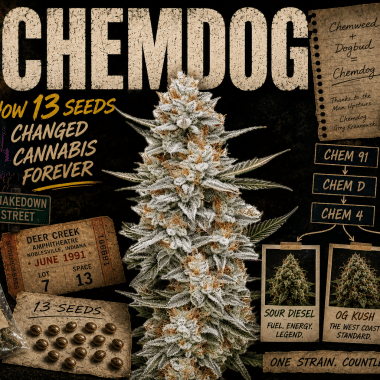


The Cheese strain is one of the most iconic cannabis cultivars ever created — a true UK-born legend known for its unmistakable aroma, cultural roots, and lasting influence on modern genetics.
Unlike many modern strains, Cheese wasn’t engineered — it was discovered. A rare Skunk #1 phenotype emerged by accident in the late 1980s, and everything that followed came from preserving that one standout plant.
In this Cheese strain review, we break down its origins, flavour, effects, and how it evolved into globally available Cheese seeds and modern hybrids.
🌱 Shop Cheese Seeds:
Exodus Cheese • Exodus Cheese Auto • Big Buddha Cheese • Auto Cheese
Table of Contents
🌿 Quick Summary of the Cheese Strain
| Type | Indica-leaning Hybrid |
| THC | ~18–22% |
| Lineage | Skunk #1 (UK phenotype) |
| Flavours | Cheese • Earthy • Sour • Musky |
| Aroma | Pungent cheese, skunk, savoury funk |
| Flowering Time | 8–9 weeks |
| Yield | Medium to High |
🧬 Genetic Origins of the Cheese Strain
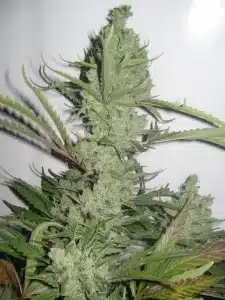
Close-up of Cheese strain buds showing dense trichome coverage and the classic pungent UK Exodus profile.
The Cheese strain originates from a standout phenotype of Skunk #1, one of the most important cannabis hybrids ever created.
As Skunk genetics spread across Europe in the late 1980s, breeders began selecting for sweeter, less pungent plants. But in the UK, one phenotype went the opposite direction — intensifying into a sharp, savoury, unmistakably “cheesy” aroma.
This wasn’t a planned creation. It was a rare outlier that growers recognised instantly — and chose to preserve.
🇬🇧 The Exodus Collective – Where Cheese Became Legend

The UK underground rave scene where the legendary Cheese strain spread through the Exodus Collective.
The rise of UK Cheese is inseparable from the Exodus Collective, a group based in Luton during the late 80s and early 90s.
They were more than growers — they were part of a wider cultural movement rooted in:
- Community living and shared resources
- Cannabis legalisation activism
- The UK underground rave and free party scene
Operating from places like HAZ Manor, the collective hosted large-scale free parties built on principles like no dealing and fair trade.
Within that environment, Cheese spread organically — not as a product, but as something shared.
At these events, the aroma of Cheese wasn’t just present — it became part of the atmosphere itself.
🧀 How Cheese Got Its Name
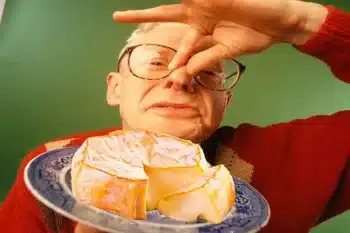
The Cheese strain’s famous aroma — sharp, savoury, and instantly recognisable.
The naming of Cheese is simple but legendary.
During trimming, someone reportedly said:
“This smells like cheese.”
The name stuck — and the identity of the strain was born.
Unlike fruity or sweet modern strains, Cheese delivered:
- Savoury, aged, almost dairy-like funk
- Deep musky skunk undertones
- An aroma that lingers long after curing
Over time, the smell of Cheese became synonymous with potency — a strain you could recognise instantly without even seeing it.
🌱 Clone-Only Era & Why Cheese Spread
For years, the original Cheese strain existed purely as a clone.
It spread through:
- Grower networks
- Friendship circles
- Word of mouth
What made it special wasn’t marketing — it was experience.
The smell was unforgettable.
Even more importantly, Cheese became known for:
- Holding its aroma over time
- Maintaining potency after curing
- Remaining pungent weeks or months later
🏆 Big Buddha Seeds – From Clone to Global Cheese Seeds
The turning point came in the early 2000s with Big Buddha Seeds, founded by Milo Yung.
Milo secured the original Cheese cut and stabilised it by crossing it with a selected Afghani male — creating the first widely available Cheese seeds.
Released in 2005, Big Buddha Cheese quickly achieved global success:
- 🏆 High Times Cannabis Cup winner
- Rapid spread across Europe
- Foundation for modern Cheese hybrids
One of those hybrids — Blue Cheese — became an instant classic, combining berry sweetness with Cheese’s signature funk.
Sadly, Milo Yung passed away in 2023 (RIP), leaving behind a legacy that helped bring Cheese from underground UK clone to global cannabis staple.
That legacy continues today through projects like Original Big Buddha Family Farms.
🌍 Modern Cheese Strains & Variations
Not all Cheese is identical — but all roads lead back to the same legendary phenotype.
👃 Aroma, Flavor & Terpenes
The defining trait of the Cheese weed strain is its unmistakable aroma.
- Aged cheese funk
- Earthy and musky base
- Slight sour sharpness
Unlike many modern strains, Cheese retains its aroma over time — one of the reasons it became so widely loved.
💨 Effects of the Cheese Strain
- Onset: Uplifting and mood-enhancing
- Peak: Relaxed, social, creative
- Finish: Calm body effect without heavy sedation
Despite its indica lean, Cheese has long been associated with social, shared environments rather than couch-lock intensity.
🌱 How to Grow Cheese
When growing the Cheese strain indoors, techniques like topping and SCROG help manage its vigorous growth while increasing overall yields.
- Flowering: 8–9 weeks
- Yield: Medium to High
- Structure: Bushy with strong branching
- Best Methods: SCROG, topping
Cheese strain responds well to training techniques like SCROG, helping maximise yield, improve light distribution, and control its natural bushy structure.

Growing Cheese strain indoors using SCROG for better canopy control and higher yields.
Important: Cheese is extremely loud in flower — proper odor control is essential.
⚠️ Side Effects
- Dry mouth
- Dry eyes
- Mild sedation at higher doses
❓ Cheese Strain FAQs
What is the Cheese strain?
Why does the Cheese strain smell like cheese?
Is Cheese indica or sativa?
How strong is the Cheese strain?
What is Exodus Cheese?
Where can I buy Cheese seeds?
Shop Cheese Seeds →
🏁 Final Thoughts
The Cheese strain isn’t just another cultivar — it’s a cornerstone of cannabis culture.
From UK underground roots and the Exodus Collective to global recognition through seed banks, its journey is unlike almost any other strain.
In a market full of sweet, modern hybrids, Cheese still stands apart — not because it followed trends, but because it created its own lane.
Nothing else smells quite like it.